FAQ
Smart House Concept has been designing and building residential or commercial structures for many years. Here are the questions we are most frequently asked.

Is a building made with containers solid?
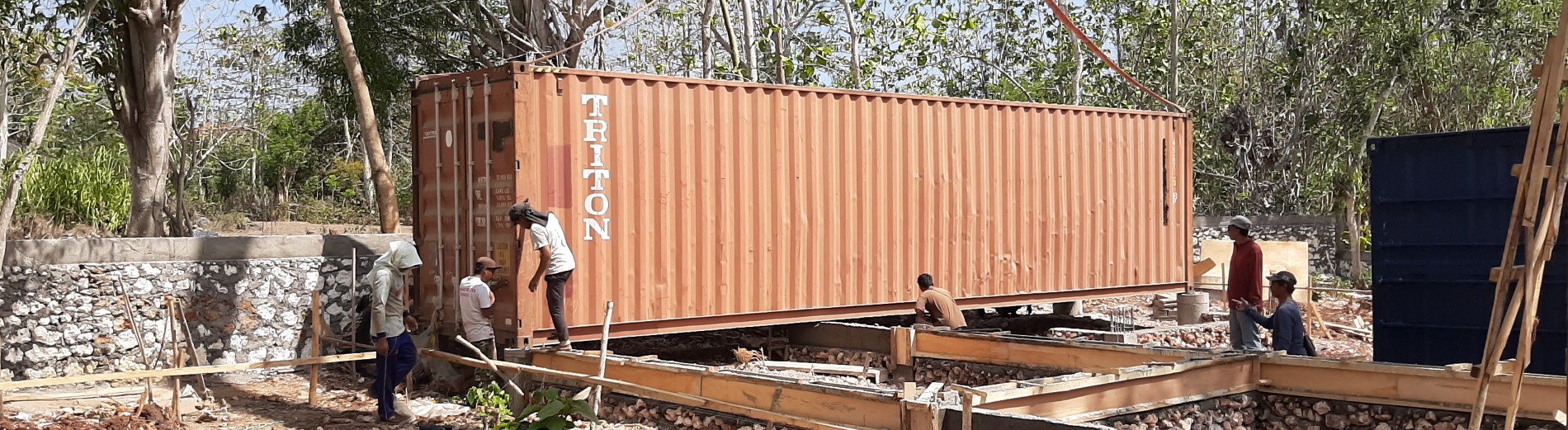
The container structure used as a frame for a building is made of welded steel. It is highly rust resistant and has anticorrosive properties.
see more >>A container is extraordinarily resitant to pressure: on an 11-story container ship, the first one (at the very bottom) receives a direct vertical load of 10 x 28 tons, i.e. 280 tons…
close <<Will a steel container rust?
Initially containers are designed to withstand the most extreme maritime conditions. They are made of CorTen steel (anti-corrosion and anti-tension) to which certain elements (like Copper, Phosphorus,
see more >>Chromium, Nickel, Molybdenum, etc.) have been added in order to increase their corrosion resistance by forming a self-protective layer of oxides on the metal base. Their commercial maritime use is limited to 15 years. Then they are used for other purposes, such as building houses.
close <<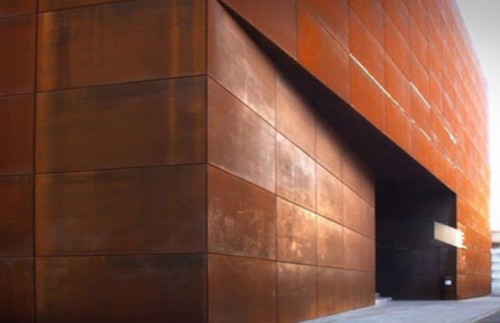
What is the life span of a container house?
A container house offers the same guarantees as a traditional house. Its frame is made of solid and durable material. Its life expectancy is the same as for a traditional house,
see more >>even more if it is well maintained. Note that such a house generally requires very little maintenance. Designed to travel on the oceans, a container is 100% waterproof. Your house is therefore guaranteed without leaks, without capillary rises, without cracks, it is also, by the way, anti cyclonic, anti seismic and anti mites.
close <<Is a container house as robust as a traditional house?
You should know that the structure of the container that will be your house’s framework is made of welded steel. This material has also been used in modern architecture for many years.
see more >>It is rustproof and has anticorrosive properties. This framework is made in one piece, without any screw; it stands up to any test. The speed and ease of execution doesn’t lower in any way the amazing solidity of this type of construction. A container has a load-bearing capacity of 1500 kg / m2 and do not require external reinforcements.
close <<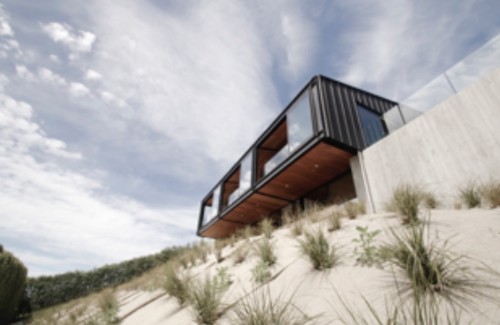
How does a container house react to heat and humidity?
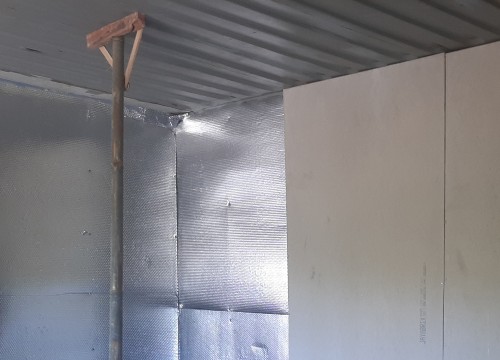
A-The main material of such a house is metal, which has a high thermal conductivity (52%). The best insulator being air (with 0.028%),
see more >>we first isolate the building by a crawl space (ambient air, the best natural insulator) which separates it from the ground, protects it from spills and infiltrations and thus serves as a thermal regulation buffer. The interior walls and ceilings are insulated with extremely efficient ecological materials (Zelltech). Finally the external walls receive a vegetal cover which cools them by about 15ºC. By reducing the effect of sunlight on the home, the green wall can significantly reduce any energy expenditure for indoor air conditioning.
close <<Do container houses have low ceilings?
All containers are of standardized dimensions. There are of several types (see image). The ceiling height can be 2.62m taking BA 13 and insulation into account.
see more >>By fitting containers together and cutting their walls, possibilities of volume are almost unlimited. In multiples of 2.35m (standard width), the most requested options are 4.70m (2 containers joined together) and 7m05 (3 containers joined together). The volume of the room can therefore be 12m x 7m05 or 84.6 m2 with a ceiling height of 2m62.
close <<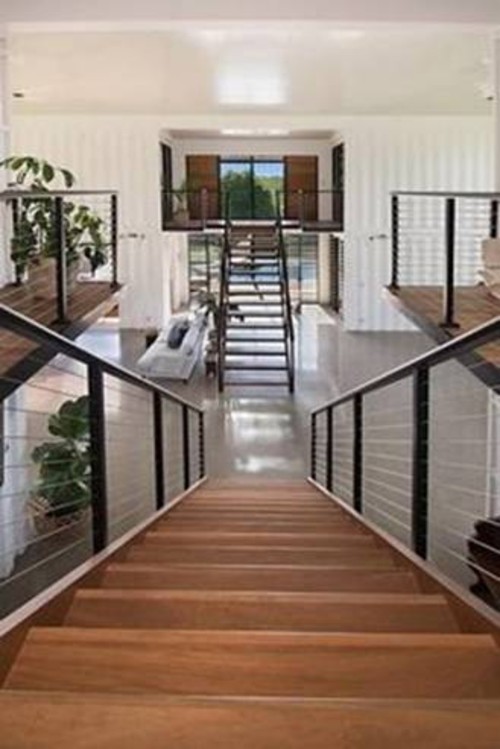
Can architecture with containers be other than square?
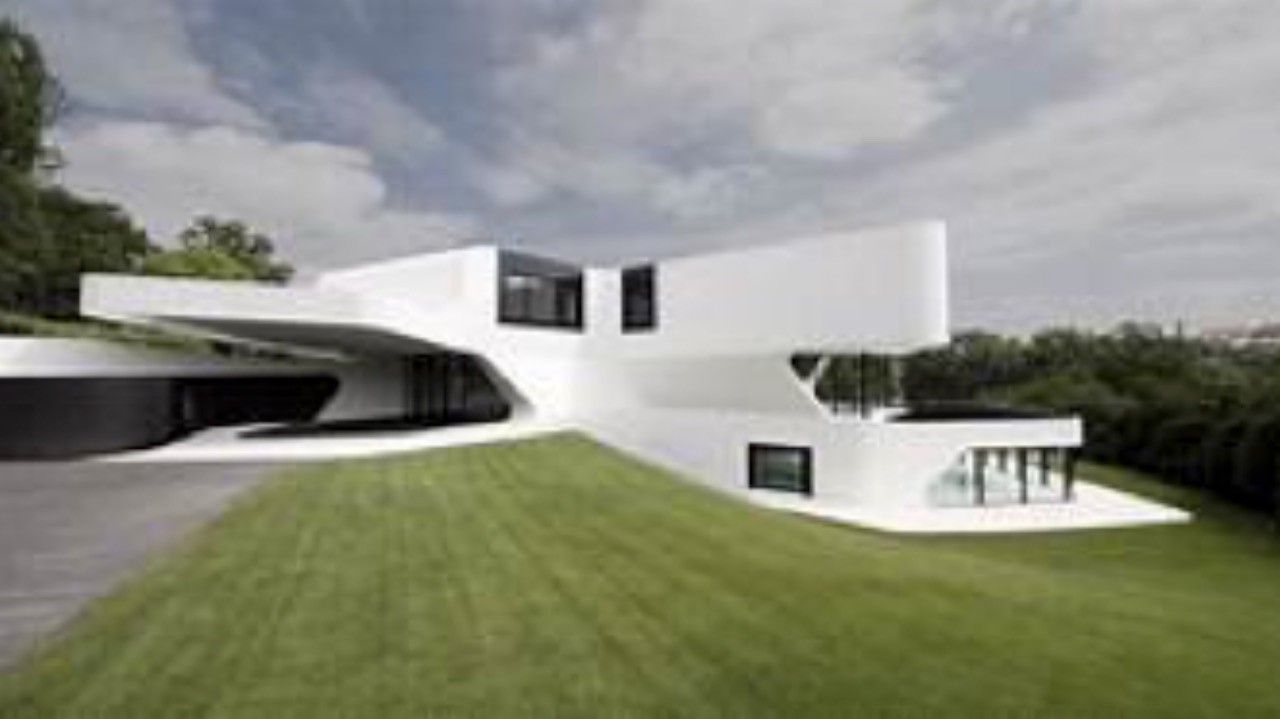
The revolutionary aspect of this type of construction is that it opens up all design possibilities. We can create rounded shapes, build 2-sided or 4-sided “veil” roofs, clad the exterior walls with wood, bamboo, brick, stone siding, etc.
see more >>With the help of our designers you can, as you wish, choose to highlight the structure of the container or hide it completely. Container structure architecture can take any form.
close <<What is the impact of a container house on the environment?
One of the strengths of a container house is that it has almost zero impact on the environment. The basic structure - a maritime container - is recovered when it can no longer be used for its first purpose: maritime transport.
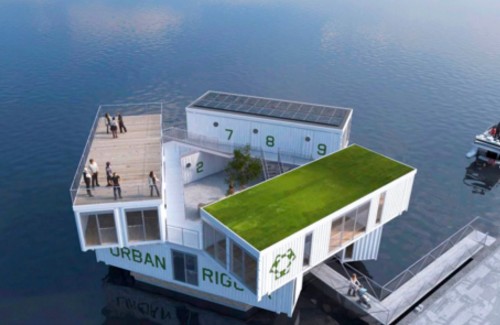
see more >>In this case, the containers are generally stacked in warehouses pending their destruction. Recovering them is therefore part of a sustainable housing approach. A container house saves energy (thanks to insulation, it uses little electricity for air conditioning, heating or ventilation) and can be bio-climatic (depending on its orientation and natural light reception, significant cuts in the lighting bill can be made) In addition, we can consider including other recycled materials to the construction. The container’s flat surface perfectly allows the installation of a green roof with all its advantages: aesthetics, thermal insulation, adding to the quality of air and water, etc.
close <<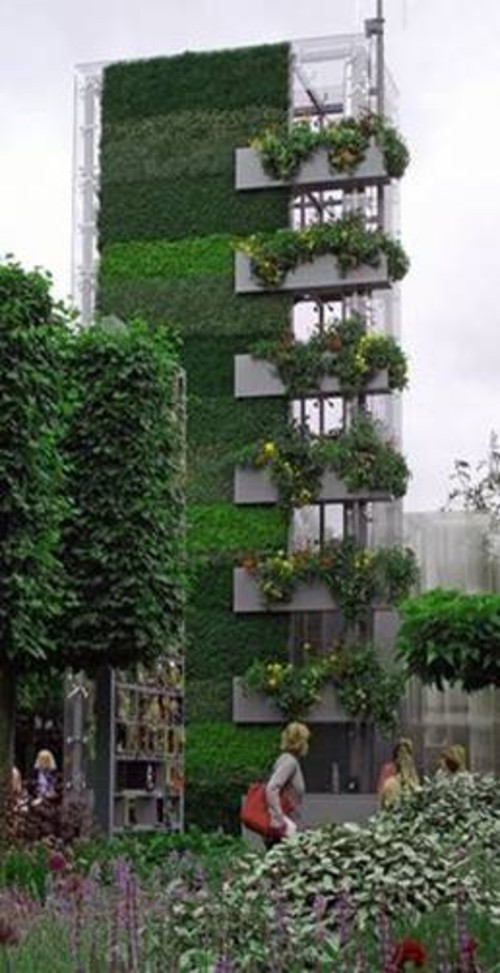
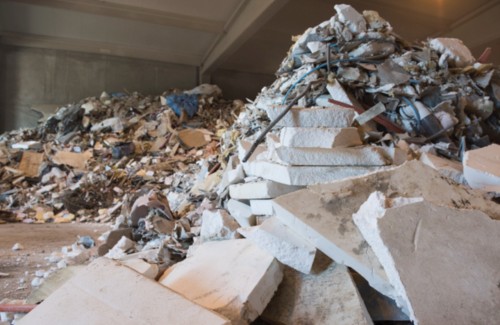
Are these homes greener?
In addition to the fact that these houses are built on a container framework, that is to say with 100% recycled materials, and that their design include ecological thermal insulation
see more >>(with natural materials such as bamboo, brick, soil, etc.), let’s bear in mind that the waste of matters is greatly reduced vs a traditional construction. A “normal” house construction site throws away on average 3 truckfull of metal, formwork, bamboo, cement, sand and various scrap, against zero for a container house project. Everything is here recycled and reused.
close <<What are the options for roofing?
With houses of this type, anything is possible. Many opt for a superb terrace, but there are also many options for roofing:
see more >>a green roofing allowing greater thermal insulation, or roofing of various shapes, for example “veil” 2-sided or 4-sided style, etc. Our designers are at your disposal to discuss and shape your ideal home.
close <<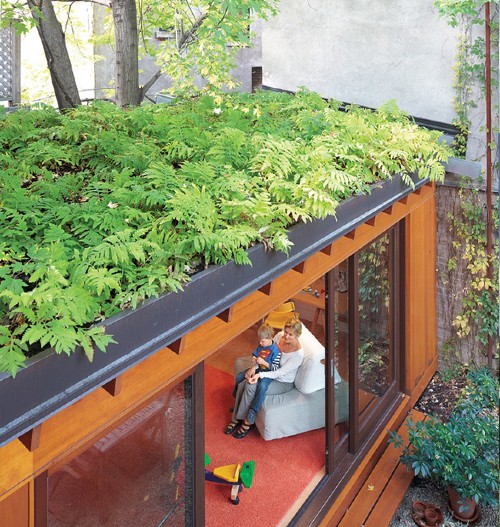

What is a container house’s value for money?
It is estimated that a container house costs on average 35 to 65% less than a conventional house. Its speed of construction (on average 4 months against 12, or even more, for a conventional house) has a direct and obvious impact on the price. It also offers other advantages,
see more >>for example compliance with LCB (Low Consumption Building) standards, making it possible to save energy and electricity consumption, and depending on its sun orientation, becoming bio-climatic, hence reducing interior lighting needs. Finally, a container house being completely waterproof, all costs related to leaking problems, which are very frequent in a traditional house, are here in fact non-existent.
close <<Are container houses really modular?
Thanks to its container structure setting, such a house can be easily enlarged or modified. Annexes (garage, shelters, swimming pool, etc.)
see more >>can be easily and quickly installed afterwards. Another obvious advantage is that it allows you to build bit by bit, according to your budget.
close <<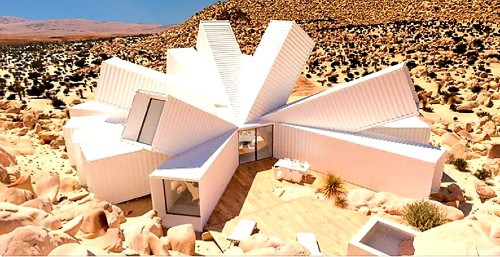
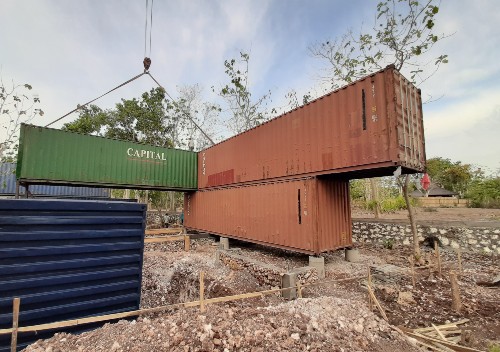
Is it cheaper to build with containers?
Yes, and by far. Container houses we are seing been developed all over the world since the beginning of the new millennium, offer quick access
see more >>to property in a short time (on average 4 months compared to 12 or more for a traditional construction). It is estimated that a container house costs on average 35 to 65% less than a traditional house.
close <<